Cerese Cason · Senior Editor•July 7, 2026•7 min read
Yes, you can buy Google reviews. Plenty of services sell them, and it takes about five minutes to place an order. The harder question — the one most pages selling reviews skip — is whether you should, and what actually happens after the reviews land on your profile.
We've operated in this space since 2018, so this isn't theory. Below is what buying Google reviews really involves, where it goes wrong, and how to think about the risk before you spend a dollar.
Can you buy Google reviews? The short answer
You can. What you're paying for is a review posted by an account you don't control, praising a business the reviewer never visited. Google's policies prohibit this — its content guidelines specifically ban "fake engagement" and reviews that don't reflect a genuine experience. So the transaction is possible, but it sits squarely against the platform's rules.
That gap between "possible" and "allowed" is the whole story. It's why cheap, careless review-buying gets businesses filtered, and why the how, not the whether, is what matters.
In the United States, the FTC treats fake reviews as deceptive advertising. A 2024 rule made it explicit: businesses can face civil penalties for buying, selling, or posting reviews that misrepresent real customer experiences. It's rarely a criminal matter for a small business, but it is a genuine legal and regulatory risk, not a technicality.
The more immediate risk is Google itself. The platform doesn't need a court — it can remove reviews, flag your profile, or in repeat cases suspend the listing entirely. For most owners, losing the profile is the outcome that actually hurts.
What happens after you buy a review?
Here's the part the sales pages leave out. A review doesn't just appear and stay. Google runs every new review through a spam filter that scores it in seconds. Reviews that look wrong get held back or stripped out — sometimes within hours, sometimes weeks later in a sweep.
The things that trip the filter are predictable:
Ten reviews landing on a brand-new profile in one afternoon, when the business averaged zero before.
Accounts with no photo, no history, and a review left from the other side of the world for a local plumber.
Copy-paste wording, or five-star ratings with no text at all, arriving in a tight cluster.
When those reviews vanish, the business is often worse off than before: the rating dips, the count drops, and the sudden reversal itself can draw a closer look. We've seen a restaurant go from a fresh batch of glowing reviews to a filtered profile in under two weeks because all fifteen came from empty accounts overnight.
Why do businesses buy reviews anyway?
Because the cold-start problem is real. A new listing with zero reviews sitting next to a competitor with 300 is a hard sell, and Google's local ranking leans on review signals like quantity, rating, and recency. Owners aren't being reckless — they're trying to close a visible gap fast.
The mistake isn't wanting reviews. It's treating them like a commodity you buy by the dozen instead of a signal Google is actively watching. A jump from 4 reviews to 40 overnight doesn't read as popularity; it reads as manipulation.
What "safe" actually looks like
If a business does go this route, the difference between a profile that holds and one that gets filtered comes down to a few things we've learned the hard way:
Pace, not volume. Reviews spread over weeks look like a real customer flow. A single dump does not.
Real, aged accounts with history and profile photos — not throwaway logins created that morning.
Specific, varied wording that could plausibly come from an actual visit, not a template repeated ten times.
A provider that never asks for your password. Anyone requesting login access to your Google account is a bigger threat than the reviews themselves.
None of that makes bought reviews compliant with Google's policy. It reduces the odds of the reviews being stripped — it doesn't remove the underlying risk. Be clear-eyed about that.
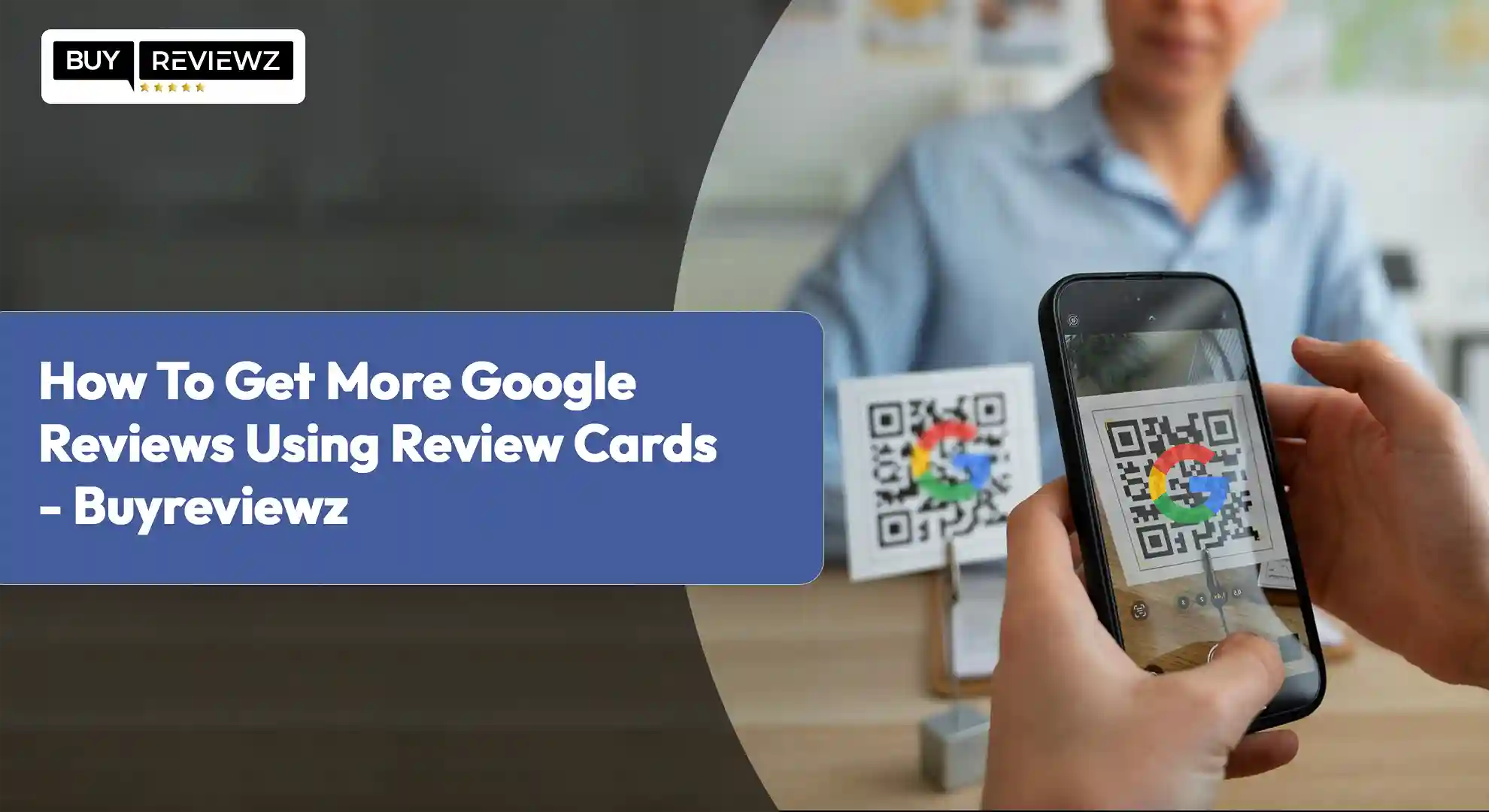
The cleanest fix for a thin profile is still the boring one: ask real customers, and remove every bit of friction from the process. A short link or QR code handed over at the moment someone's happiest — meal finished, car fixed, deal closed — converts better than any email chain. Most businesses collect a fraction of the reviews they could simply because no one asks at the right time.
Two rules keep you out of trouble: never gate reviews (sending only happy customers to Google while diverting the rest breaks Google's policy), and never offer discounts or freebies in exchange. Steady, genuine reviews grow slower, but they don't disappear in a filter sweep. For the full playbook, see our guide on safe ways to get positive Google reviews.
So, should you buy Google reviews?
You can, and now you know what it actually entails: it violates Google's policy, carries FTC risk, and the reviews can be filtered out the moment they look off. If you go ahead, the only version worth doing is slow, realistic, and never involves handing over your account. The safer long game is asking real customers well — it's the one thing Google can't penalize you for. Whichever path you choose, decide with the full picture, not the sales pitch.